 Bluetick
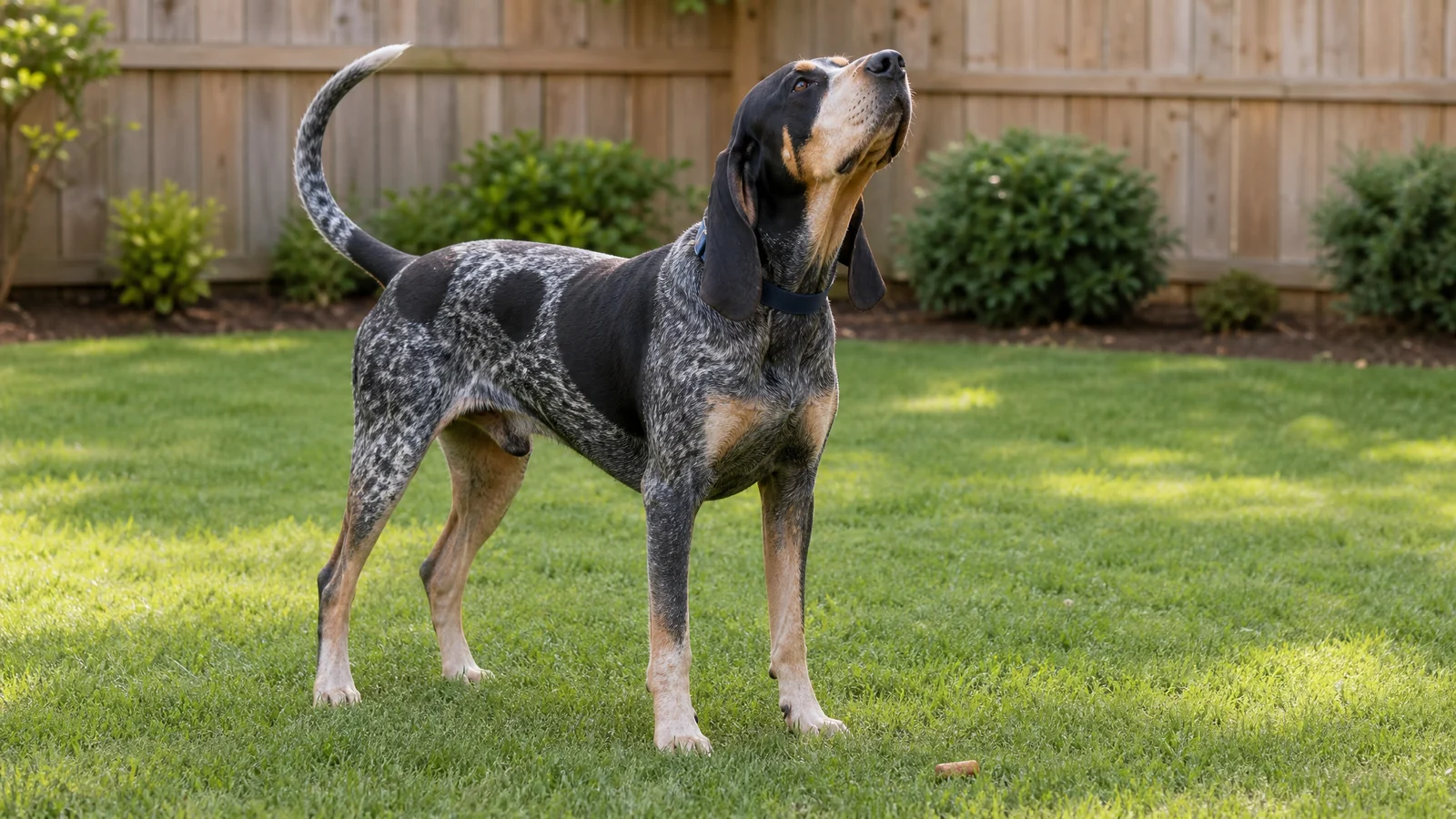
Some Bluetick Coonhounds sit, heel and check in across the yard, working happily for a scratch and a treat. Others ignore every cue the instant a scent arrives and step past the treat as if it were furniture. Same breed, and sometimes the same dog on different days.
That gap decides how training feels. Misread it and you spend months calling a tracker stubborn while pushing on the wrong thing. Read it right and you get a devoted, tenacious hound who gives back real focus and plenty of affection.
This guide covers Bluetick Coonhound temperament, from what looks like stubbornness to how far prey drive can be trained, with stops at intelligence, affection, house rules and whether age alone will calm them. We have trained this breed for many years, so expect straight verdicts rather than comfort.
Bluetick Coonhound Stubbornness
The belief goes like this: a Bluetick who ignores you is being stubborn on purpose. Check the breed's own description first. The temperament is called devoted, smart and tenacious, a sweet and affectionate charmer who dozes in the shade but turns relentless and single-minded in pursuit. None of those words means defiant. Verdict: mostly a misread. The dog is not defying you, they are busy.
What Looks Like Defiance
From your end of the leash it feels personal. You ask for a sit and the dog keeps walking. You offer a treat and they step around your hand. Many owners find that Blueticks lose interest in potty breaks, walking and treats when other dogs or people are in sight, and some lock into a stare that no treat can break. Each moment feels like a choice. Most are not.
What Scent Focus Looks Like
Telling the two apart saves a lot of frustration, because scent focus has a recognizable look:
- The nose is low and working, and the whole body leans one way with no sign of worry or avoidance.
- Their name and every cue go unanswered, even though the same cue worked an hour ago in the kitchen.
- A treat is ignored at the spot but taken at once after you walk the dog a few steps away.
- A fixed stare at a dog or person across the street leaves the body gone still.
If that sounds like your dog, you are looking at drive, and the answer is distance and better pay, not repetition. Repeating a cue louder at the edge of a fixation only teaches that your voice is background noise.
Be honest about the limit, too. Even a well-trained Bluetick will sometimes lose to a fresh trail, which is why fences and leashes are part of training and not proof that training failed.
Intelligence, Temperament and Training Ease
Another popular belief says a smart dog is an easy dog. The breed's trainability rating is 4 on a five-point scale, where 1 is self-willed, 3 is agreeable and 5 is eager to please. That is a good number, and it is easy to over-read. It says Blueticks are willing learners on average, not that they will perform when a trail crosses the lawn. Verdict: smart, yes. Easy, only under the right conditions.
Quick Learning in Quiet Rooms
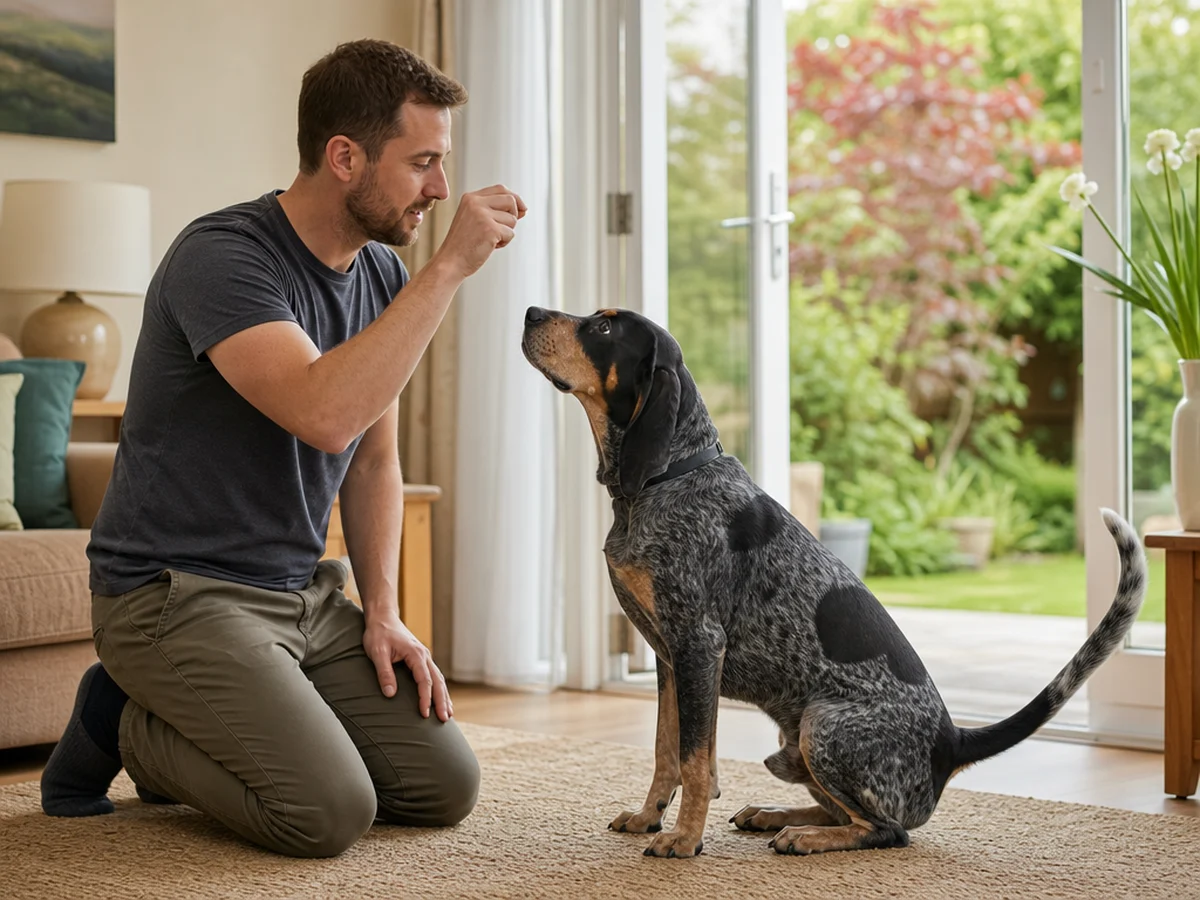
Indoors, with little going on, Blueticks tend to pick up the pattern fast. They often learn steadily, and some skills arrive sooner than you expect. Keep sessions short but regular, because a hound who drifts after a brief spell is normal, not broken.
Start in a quiet room, then change one thing at a time: an open door, a visitor, a new floor. The rating never mentions this step, yet it is where the 4 either shows up or disappears.
Rewards That Compete With a Nose
Early socialization and treats are very useful with this breed. Training also works best when it teaches a dog what to do instead of the unwanted behavior, which suits a hound whose worst habits are mostly the nose doing its job.
A food-driven, affection-seeking dog hands you two currencies, so spend both. Tastes vary from dog to dog, so test different treats, including a bit of fruit, and rotate them rather than relying on one biscuit. Save the best for the hardest moments. Pair every treat with praise so your voice gains value, and count a release to go sniff as pay.
Play follows the same logic. Do not assume fetch, since some Blueticks simply watch a thrown ball. Build games around what your dog actually enjoys, and sniffing is a safe bet.
Reliable Performance Under Distraction
Reliability is the part ratings never show. You build it by raising difficulty slowly and matching the reward to the distraction. When other dogs or people hold your Bluetick's attention, work in this order:
- Stand far enough away that your dog can still take a treat, and reward the instant they glance away from the sight.
- Mark the moment they look back at you with your marker word, then pay with a treat or a release to sniff.
- Close the gap a little at a time, and back off whenever the stare returns.
- Bring a better reward than usual for the hardest distractions, such as that favorite fruit or a game with you.
- End each round while your Bluetick is still tuned in.
The full method for turning these steps into habits is in our step-by-step Bluetick training guide.
Affectionate Temperament, Real Rules
The next belief is gentler: a sweet dog who craves affection will behave without much structure. Blueticks do crave affection and are deeply devoted to those who provide it, and their family-affection rating lands mid-scale, friendly rather than clingy. Verdict: devotion is leverage, not a substitute for rules. A dog who wants you this much will work for you, and will also learn very quickly what earns your attention.
Using Devotion as Pay
Praise, a scratch and a bit of play are rewards a Bluetick values, and they work on days when a treat gets refused. Use them deliberately, right after the behavior you want.
Mind the other edge of tenacity. A hound who learns that whining or staring earns attention will repeat it with great persistence. Reward calm first, and let the affection follow the quiet moment instead of the demand.
Rules That Need Consistency
Agree on one set of cues and house rules across the whole household, because a hound who can bargain with one soft touch will. Adaptability is only moderate, so a steady routine helps more than most owners expect.
Barking is rated high, and neglected, underemployed coonhounds with no outlet for their hardwired impulses can develop problem behaviors, including loud, mournful vocalizing. Exercise before you leave, and give them a settled place to rest.
Some owners find crate training goes quickly, with a dog relaxing quietly in the crate within a few days. For a puppy who sneaks around and chews at night, overnight crating is a sensible management step while they learn the house.
The social ratings fill in the rest. Getting along with other dogs earns the top mark, while openness to strangers and tolerance of young children sit mid-scale, which means supervision. A sweet temperament still needs planned introductions.
Temperament, Prey Drive and Recall
The belief here is that enough training makes prey drive go away. The breed's prey drive is described as off the charts and something that must be channeled, and the key word is channeled. This hound was built to work scent trails hours or even days old, and one famous line was described as having a nose for a week-old trail and the endurance to run it for 30 hours.
Training can shape that drive. It cannot delete it. Verdict: manage it for life, and judge your progress by how fast your dog turns away from a scent, not by whether they notice one.
What Recall Can Realistically Do
A good recall is worth building, and it is built with pay. Start in a secure space with few smells, call happily, and reward with something better than a normal treat. Add distance first and distractions second, and call early, before the nose locks on. A cue given into a full fixation usually fails.
Expect a recall that is strong in low-scent settings and shaky near a fresh trail. Do not trust it off leash in unfenced areas, however well it works in the yard. If staring turns into lunging or barking at people or dogs, talk it over with an instructor and consider one-to-one classes at first.
Leash and Fence Habits
Long leashed walks and play in a securely fenced yard both suit the breed, and the fence is not optional for a scent hound with strong prey drive. Teach your dog that a loose leash earns a release to sniff, and the walk becomes a trade instead of a tug of war.
Common advice says to run a hound until they drop. We disagree. Energy is high, but many owners find sniff-focused walks leave a Bluetick calm at home, while hard running can leave some harder to settle.
Will a Bluetick Coonhound's Temperament Mellow?
Many owners hope age will do the work for them. The honest verdict is partly, and never alone. This breed already has a calm side, since they enjoy snoozing at your feet, and that side shows up when daily needs are met. Tenacity, however, is not a phase. A hound who matures without direction becomes a calmer version of the same nose-led dog, with whatever habits they practiced along the way.
What Maturity Really Changes
Dogs vary too much for us to name an age when things settle. What we can say is that a hound with daily exercise, a job to do and regular rest learns to switch off at home. Mental stimulation needs are moderate, so a few short games and a good sniff walk go a long way.
Keep regular vet visits on your calendar as well. A sudden change in energy or voice deserves a professional look before you assume it is temperament.
What Persists Without Work
Habits are easier to shape in a puppy than to change in an adopted adult. Owners of adult coonhounds often feel certain behaviors would have been simpler to train out earlier, so expect a longer, more patient process. If you are raising a puppy, the Bluetick puppy training timeline shows what to build and when.
Some Blueticks prove hard enough that owners hire a professional. A stay with a trainer can bring lasting change for some dogs, with results still showing years later, while others still struggle with manners and energy after classes and a board and train. Either way, practice at home matters, because a hound trained by someone else still has to be trained by you.
Working With Bluetick Temperament Today
The verdict across all of this: Bluetick temperament is trainable when you work with the nose instead of against it. The breed is happiest with a job to do, and nose work sports such as K9 Nose Work show how simple that can be, with dogs searching out scents hidden indoors and outdoors. You do not need a class to start. You need a room and some treats.
Give the nose its job first, then ask for cues. A dog who has just used their nose on your terms is far more able to listen. Before the day ends, run one short search game:
- Scatter a handful of your best treats around one room while your dog waits out of sight.
- Release them to search, and say your marker word the instant they find one.
- Let them finish the search before you ask for a single sit or stay.
- Stop while they are still eager, and finish with praise and a scratch.
That small game gives a devoted, tenacious hound exactly what they crave, a job done with you. Repeat it daily, and the cues you practice afterward will start to land.
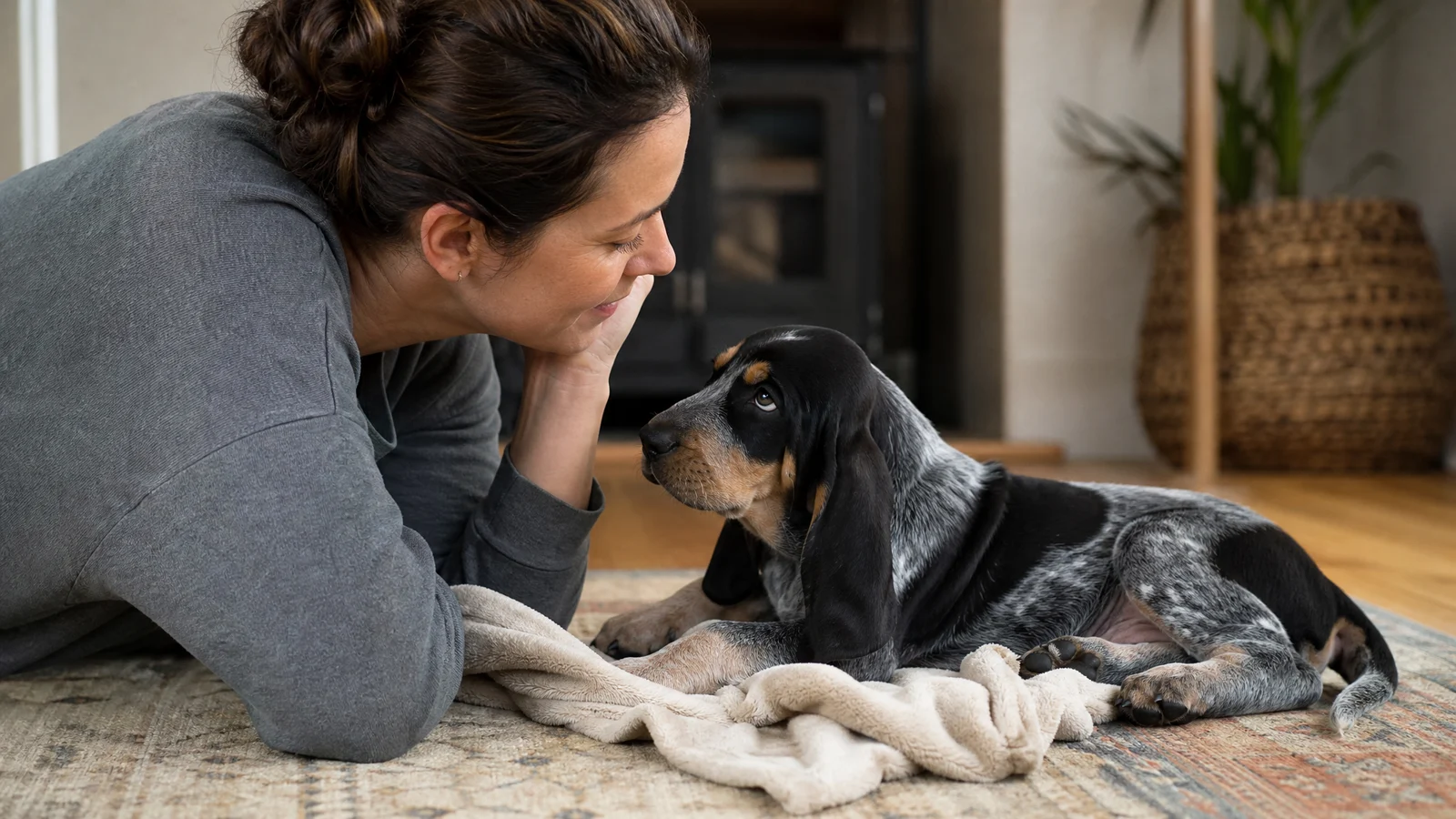 Puppy trainingBluetick Coonhound Puppy Training Timeline: 8 Weeks to 2 Years
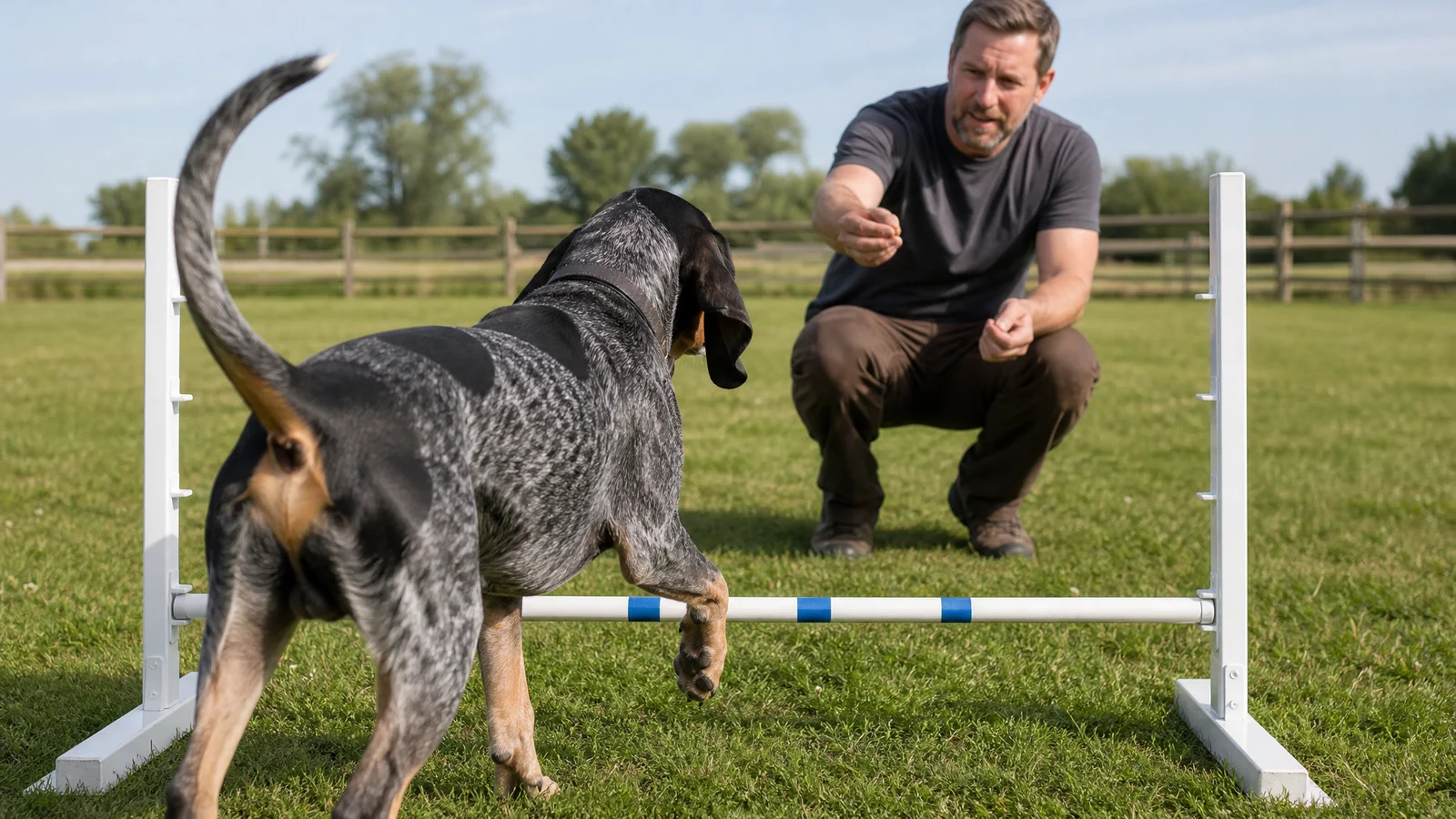 Exercise and jobsBluetick Coonhound Sports and Jobs: Agility, Tracking and More
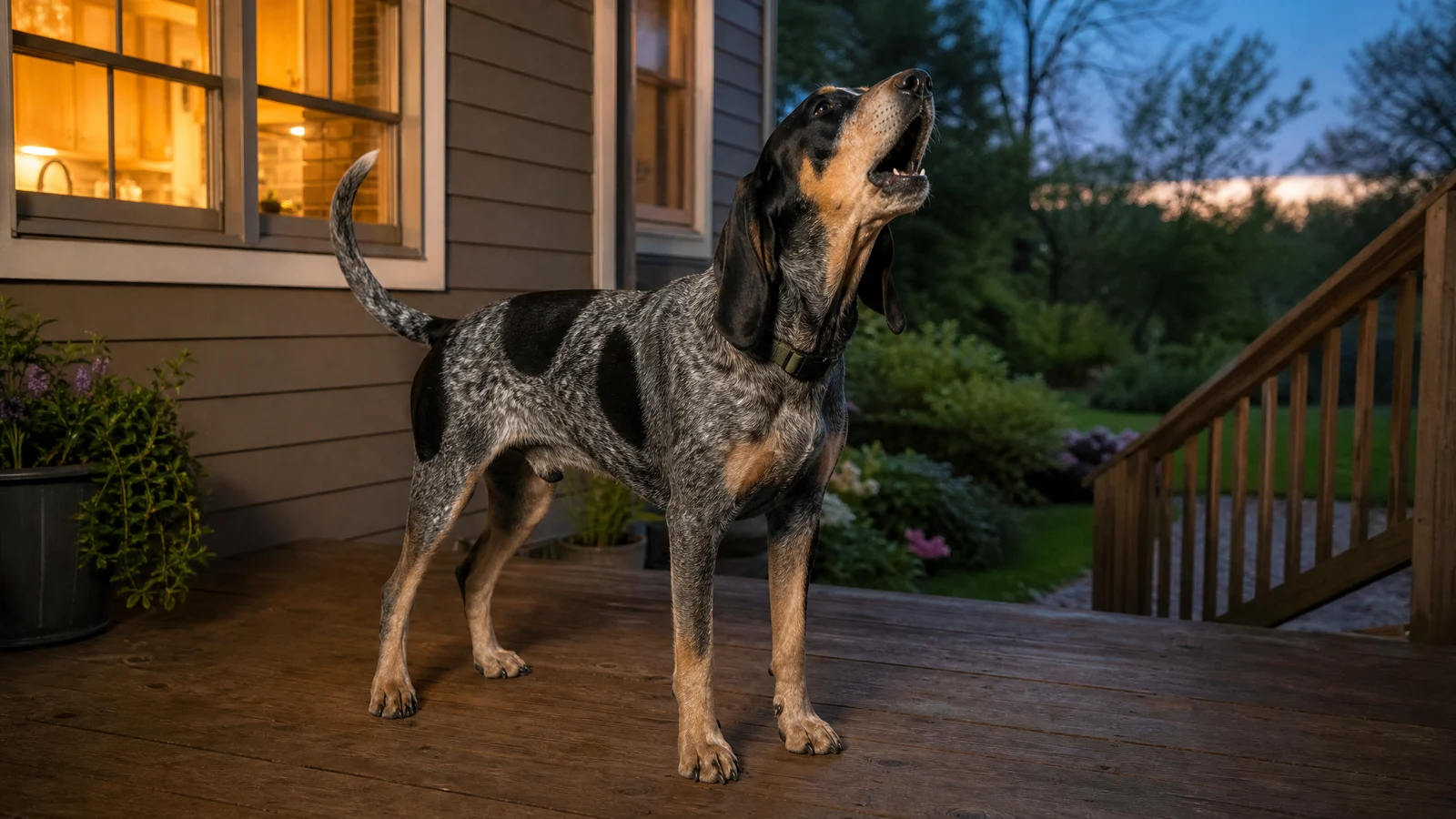 BehaviorBluetick Coonhound Howling: Why They Bay and How to Quiet Them